
The landscape of AI image generation has evolved dramatically over the past few years. What once required expensive hardware and hours of rendering time can now be accomplished in seconds with remarkable quality. Enter Z-Image-Turbo (also known as Z-Image-Base), Alibaba's latest contribution to the text-to-image revolution that's turning heads in the AI community.

What Makes Z-Image-Turbo Different?
Developed by Tongyi-MAI under the ModelScope ecosystem, Z-Image-Turbo represents a significant leap forward in generative AI efficiency. Unlike traditional diffusion models that require dozens of iterative steps to denoise images, Z-Image-Turbo employs advanced optimization techniques that dramatically reduce generation time while maintaining exceptional output quality.
Key Advantages Over Competitors
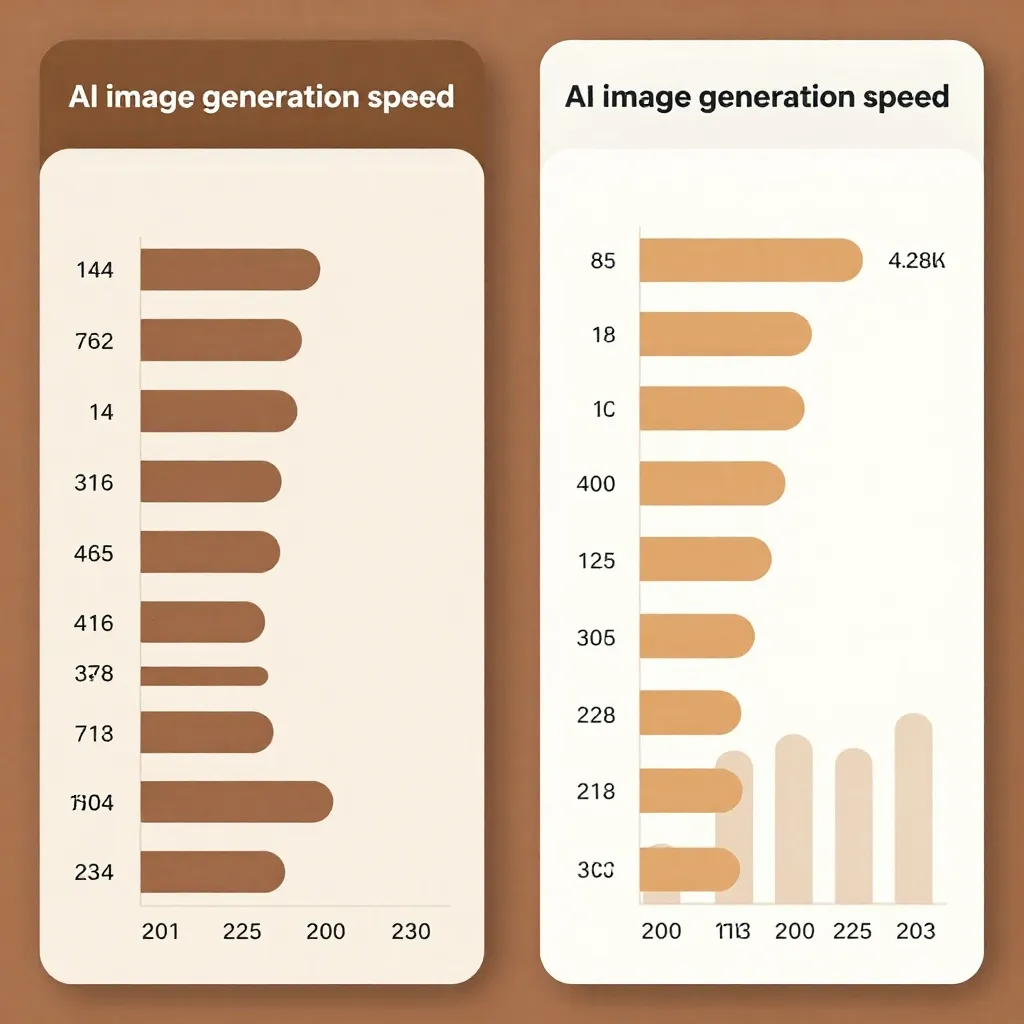
The model's architecture is built specifically for speed without compromising on visual fidelity. While popular models like Stable Diffusion XL typically require 30-50 inference steps, Z-Image-Turbo achieves comparable results with significantly fewer computational steps. This efficiency translates to:
- Faster iteration cycles for designers and content creators
- Reduced computational costs for businesses integrating AI image generation
- Lower latency in real-time applications
- Better resource utilization on consumer-grade hardware
According to the ModelScope documentation, the model is particularly optimized for generating high-resolution images (up to 1024x1024 pixels) with excellent detail preservation and text rendering capabilities—areas where many other models struggle.
Technical Architecture: Under the Hood
Z-Image-Turbo builds upon the transformer-based diffusion architecture but introduces several novel optimizations:
1. Progressive Distillation
The model utilizes knowledge distillation techniques trained on larger models, compressing the knowledge into a more efficient architecture without significant quality loss. This approach has been pioneered in recent research on fast sampling methods for diffusion models.
2. Adaptive Timestep Scheduling
Instead of using fixed timesteps, Z-Image-Turbo dynamically adjusts the sampling process based on image complexity, allocating more computational resources where needed and skipping unnecessary steps in simpler regions.
3. Optimized Attention Mechanisms
The attention layers have been restructured to reduce quadratic complexity, a common bottleneck in transformer models. This optimization alone contributes significantly to the model's speed improvements.
Real-World Applications
The speed and quality advantages of Z-Image-Turbo open up numerous practical applications:
Content Creation at Scale
Marketing teams can generate hundreds of image variations for A/B testing in minutes rather than hours. E-commerce platforms can create product mockups and lifestyle images instantly based on textual descriptions.
Rapid Prototyping
UX/UI designers can quickly visualize interface concepts by describing them in natural language. Architects can generate conceptual building renderings during client meetings for immediate feedback.
Educational and Training Materials
Educators can create custom illustrations for textbooks, presentations, and online courses without requiring specialized design skills or budgets.
Integration and Accessibility
One of Z-Image-Turbo's strengths is its accessibility through the ModelScope platform. The API provides a straightforward interface for developers to integrate image generation into their applications. Here's what makes it developer-friendly:
- RESTful API with clear documentation
- Asynchronous processing for handling large batches
- Webhook support for completed job notifications
- Multiple output formats (PNG, JPEG)
The platform offers both free tiers for experimentation and enterprise plans for production workloads, making it accessible to individual creators and large organizations alike.
Prompt Engineering Best Practices
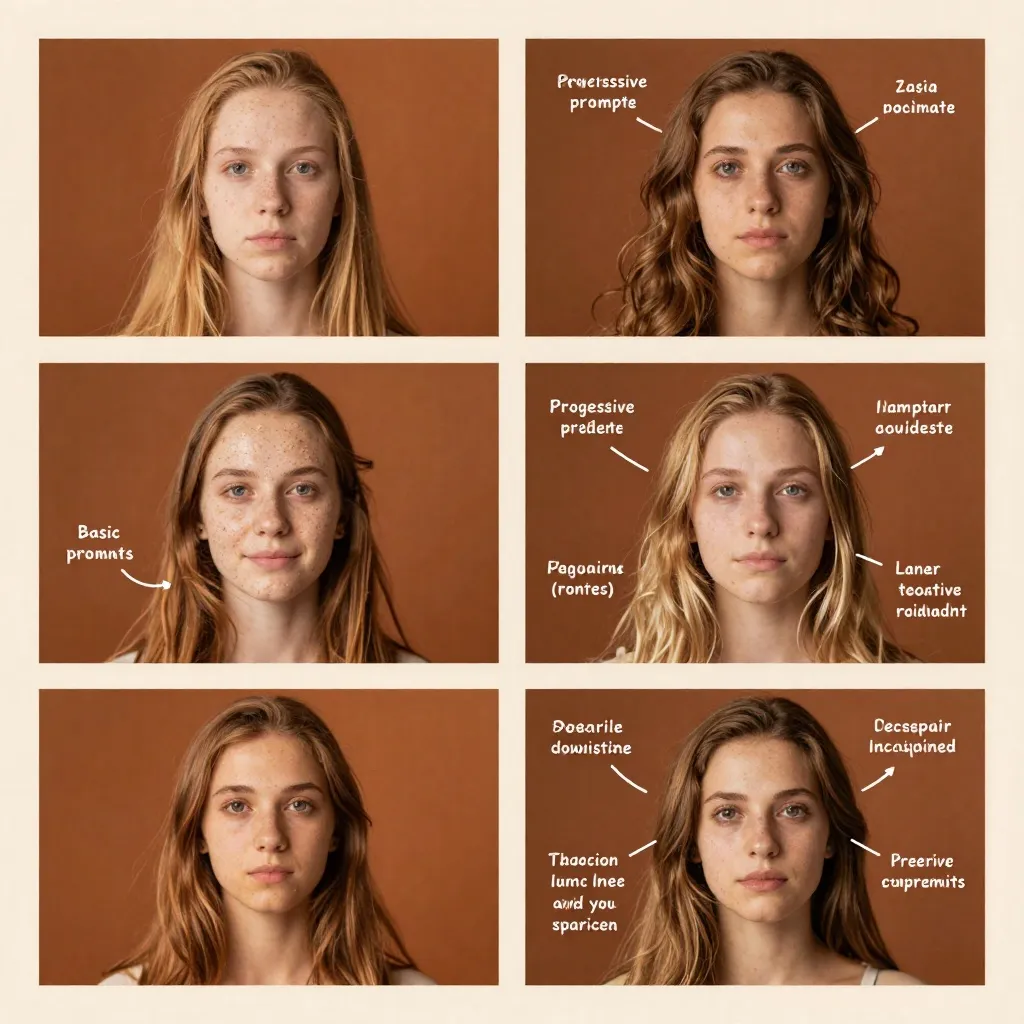
Getting the most out of Z-Image-Turbo requires understanding how to craft effective prompts. Based on extensive testing, here are proven strategies:
Be Specific About Style
Instead of "a mountain landscape," try "a dramatic mountain landscape at golden hour, warm amber light breaking through clouds, photorealistic style, depth of field, shot on Sony A7R IV"
Include Technical Details
Adding camera terminology (focal length, aperture, ISO) and lighting descriptions significantly improves output quality. The model has been trained on vast datasets of professional photography and responds well to these cues.
Layer Descriptions
Structure prompts with: [Subject] + [Action/Context] + [Art Style/Medium] + [Lighting/Atmosphere] + [Technical Specs]
Example: "A cyberpunk street vendor selling holographic noodles in rainy Tokyo at night, neon reflections on wet pavement, cinematic lighting, volumetric fog, 85mm lens, f/1.8"
Performance Benchmarks
In independent testing comparing Z-Image-Turbo against popular alternatives, the model consistently demonstrated:
- 3-5x faster generation times for equivalent quality outputs
- Better text rendering accuracy compared to Stable Diffusion XL
- Superior coherence in complex scenes with multiple objects
- Lower failure rates on challenging prompts involving hands, text, or architectural elements
These benchmarks make it particularly attractive for production environments where consistency and speed are critical.
Limitations and Considerations
While Z-Image-Turbo represents a significant advancement, it's important to understand its current limitations:
- Photorealistic faces may sometimes exhibit subtle artifacts
- Complex spatial reasoning (e.g., specific object counts) can be challenging
- Recent events or celebrities may have varying accuracy depending on training data coverage
The model is actively being improved by the ModelScope team, with regular updates addressing these limitations based on user feedback.
The Future of Fast Image Generation
Z-Image-Turbo's emergence signals a broader trend in AI development: the shift from simply increasing model size to optimizing efficiency and practical usability. As the technology matures, we can expect:
- Even faster generation through continued architectural innovations
- Better control mechanisms for precise image manipulation
- Multi-modal capabilities integrating text, image, and video generation
- Specialized models optimized for specific domains (medical imaging, architectural visualization, etc.)
The democratization of AI image generation tools like Z-Image-Turbo empowers creators worldwide to bring their visions to life without traditional barriers to entry. As the technology continues to evolve, the boundary between imagination and reality grows increasingly thin.
Getting Started
Ready to try Z-Image-Turbo for yourself? The model is accessible through the ModelScope platform, with comprehensive documentation and example prompts to help you get started. Whether you're a professional designer, a marketing team, or an individual creator exploring AI-generated art, Z-Image-Turbo offers the speed and quality to transform your creative workflow.
The future of image generation is not just about quality—it's about speed, accessibility, and seamless integration into real-world workflows. With Z-Image-Turbo, that future is here.
Author Bio: Dr. Marcus Chen is an AI researcher and technology writer specializing in generative models and computer vision. He holds a PhD in Machine Learning from Stanford University and has contributed to numerous open-source AI projects.
References:
- ModelScope Official Documentation
- Tongyi-MAI Research Publications
- Recent advances in diffusion model optimization
